Why an addict knows better, but does it anyways.
It’s insane! Why would I choose to Use again when I knew beforehand that the outcome would be bad, very bad?
Doing the same thing over and over again, and expecting different results, is the definition often used in addiction recovery programs. It defines it, but fails to explain why the behavior repeats.
Before diving in, I highly encourage you to visit the article The Truth about Cravings (hit the link) because the following will make very little sense to you without a firm understanding about what Cravings are, how they work, and how to get rid of them.
Please pause on this, learn the truth about Cravings, then come back.
Okay. Now that you have learned about the source of Cravings, it will be easy to explain the source of an Addict’s insanity.
My definition of insanity is not that I chose to use again while expecting a different result. It is the decision to use again while knowing exactly what will happen but choosing to use anyways.
How could I possibly make that decision?
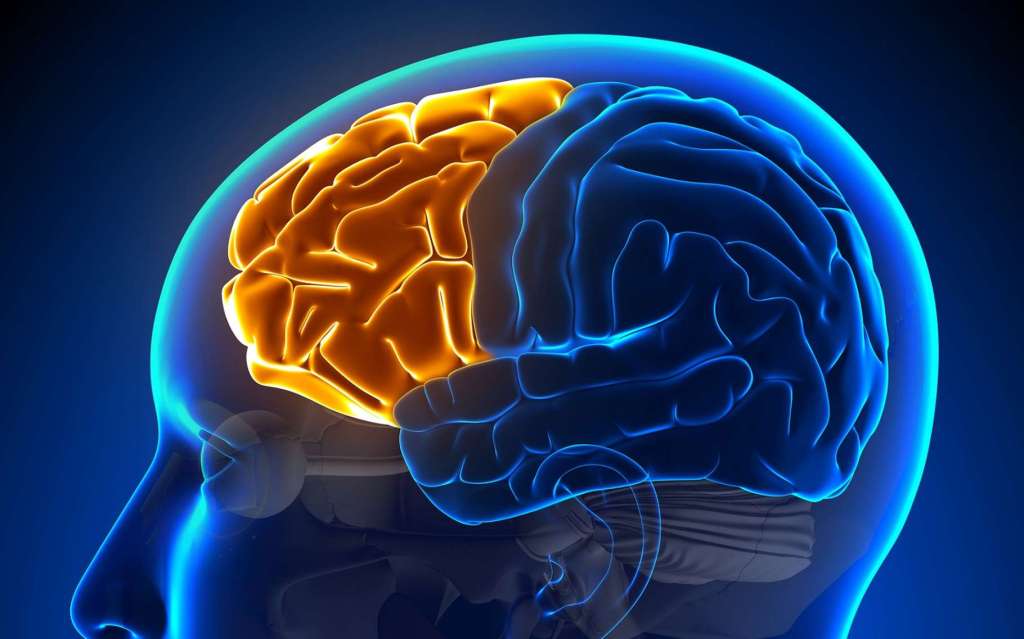
Scaredy Cat (primitive brain) sounds the death alarms (Craving) but there’s another part of my brain that knows better, the smart part, the pre-frontal cortex: which is responsible for memory, planning, problem solving, decision making—executive function. The one who is supposed to be calling the shots, making the big decisions, right?
I call it, Mr. Potato Head. And Mr. Potato Head knows better. He remembers what happens, he learned, he can extrapolate outcome. So why does it keep deciding to take the drug again?

Mr. Potato Head has a job. The functions I just described are how he does his job, but that’s not his job. Mr. Potato Head’s sole purpose (at its root) is to do what Scaredy Cat says. Scaredy Cat is in charge. Mr. Potato Head’s duty is to obey Scaredy Cat. Scaredy Cat has Seniority, he’s older, from an evolutionary standpoint.

Scaredy Cat checks the meters and gauges that sense for the levels of the survival essentials and says, “Low on nutrients, need food!” Mr. Potato Head figures where to get it, kill it, pick it, prep it, cook it, and remembers where it is. Scaredy Cat says, “Low on water!” Mr. Potato Head figures out where it is, how do I bring it home, how to store it, and remembers where it was found. Sleep: I need to build shelter, craft a cozy blanket, and figure out the best way to get good rest. Oh, and there’s another survival essential I didn’t mention earlier. Sex: a lot of executive function put into that one. That’s where it starts getting complicated. We’ll save that one for another time. Stay focused.
Mr. Potato Head’s job is to figure out how to FIX these problems in the most efficient and effective ways possible. But Mr. Potato Head made the association that the easy button was the FIX. He learned it is the quickest way to turn off Scaredy Cat’s alarms but forgot how to put out the fire.
Notice how I used the word FIX. When an addict says, “I need a fix,” this is what they are attempting to fix.
This also clarifies the term Chemical Dependence. The Chemical overrides the signal TEMPORARILY. Addicts can’t function normally while this death alarm is constantly blaring, so they depend on the chemical to turn the signal off, temporarily.

Scaredy Cat senses a lack of something, “I need to survive”, sends the signal to Mr. Potato Head. Along the way this signal picks up a six pack of Fear at the limbic system (our emotional center), which is the motivator that lets Mr. Potato Head know that he needs to figure some shit out. That’s the practical way I came to understand my reward circuit. How it got Hijacked, and how to reverse it.
I reversed it by giving Scaredy Cat what it really wants, the survival essentials, satisfied properly: oxygenated tissues, Hydrated tissues, nutrient rich tissues (link to vitamins and supplements), routinely accessing restorative/healing states like good sleep, minimal toxins to roundup and excrete, balanced chemistry (glucose, pH, salt, cortisol, epinephrine, etc.)
Gas station and fast food will not cut it. Tap water doesn’t cut it. Trazodone, or medicinally induced sleep doesn’t cut it. Using a screen as a distraction from intrusive thoughts doesn’t cut it. Coffee for energy doesn’t cut it. You gotta get back to Natural Everything.
This signal will persist, no matter how good your life is, no matter how many doctors you see, how much money you have, or how nice your house is. It will persist until the survival essentials are addressed in a natural fashion. The only other option to turn the signal off is with a drug, a mood-altering substance (prescribed, or not).
When I started addressing my survival essentials better, the cravings drastically reduced. I relapsed far less because I had less to FIX. And when I did slip, my benders were shorter because I wasn’t so afraid to dry out and go through the detox phase because I understood why I felt the way I did and how to properly address it. And, when I applied this strategy during the intense detox, withdrawal, and cravings phase of drying out, it cut the duration and trauma from the shock in half as well.
Applying this totally took care of my compulsion—along with increased resiliency too almost all my triggers, and many other mental and physical health issues. But not the obsession.
The best way I can describe any addiction is that it is basically an OCD, obsessive compulsive disorder. A branch on the anxiety disorder tree—based in Fear. Naturally, the compulsion and the obsession must be addressed simultaneously because if one doesn’t get ya, the other one will.
But before you can address the Obsession, it helps to know where it’s rooted. To learn about The Great Obsession (click the link).
 root & rise
Leave a comment